
Research on Shanzhai Mobile Phones in Huaqiangbei (Part III) – Simplified Version | Song Shiqiang
Just another WordPress site
Press Release Disclaimer: This is a press release distributed through the XPR Media network. It has not been independently verified by our newsroom.


Shenzhen, China – September 8, 2026 – From Original release: “Huaqiangbei Shanzhai Phones” Research (Part III)
7. The Downfall of Shanzhai Mobile Phones
In 2007, Huaqiangbei produced 150 million shanzhai phones annually, accounting for one-sixth of the global total. This fueled the rise of Shenzhen’s hardware supply chain and incubated companies like Transsion, Wingtech, and Huaqin. The decline came from two factors: stricter regulation—after a 2012 enforcement raid at Manhattan Market, many small manufacturers shifted to elderly phones, rural markets, and Southeast Asia/Africa, moving factories to cut costs—and competition from legitimate brands. Redmi pushed smartphone prices to 799 yuan, while brands like Xiaomi, OPPO, and Vivo leveraged quality, after-sales, and supply chain advantages to squeeze shanzhai players. Older brands such as Banghua, Otuo, and Shengnuo gradually exited the mainstream. Huaqiangbei’s phone market cooled sharply; booth transfer fees at Feiyang Times plummeted, and Longsheng Market pivoted to cosmetics. Many merchants turned to low-risk accessories like phone cases, screens, cables, and power banks. Some early entrepreneurs upgraded: Transsion deeply developing Africa, shipping over 200 million units in 2024; Huaqin listed in Hong Kong in 2026 with a market cap of about HK$94.5 billion.
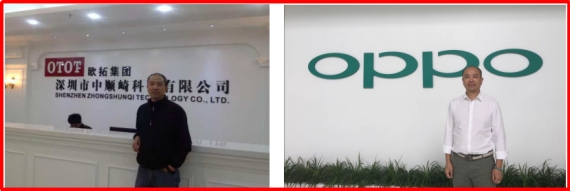
Photos: Song Shiqiang on factory visits to OTOT and OPPO in 2014 and 2017
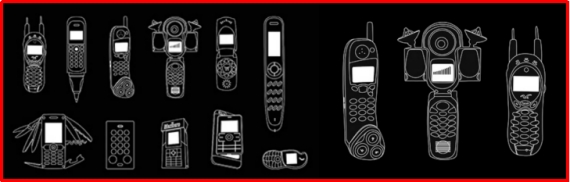
Various shanzhai phones from Huaqiangbei back in the day (Source1: “Old patternsof Shanzhai Phone “)
8. The Post–Shanzhai Era: TWS Earbuds Sustain Huaqiangbei’s New Ecosystem
After shanzhai phones faded, white-label TWS Bluetooth earbuds became the new mainstay. With ~3.5 billion smartphones globally, annual Bluetooth headset sales exceed 1.2 billion units, a trillion-yuan market. White-label earbuds have low entry barriers and are extremely cheap—50-200 yuan can deliver pop-up windows, renaming, and location tracking. In 2020, Huaqiangbei shipped 292 million white-label earbuds, far surpassing Apple AirPods. However, hardware quality is often poor: exteriors mimic big brands but internals are substandard; fake smartwatches show fake health data; high-copy earbuds look identical but sound much worse. Local chip makers—Bluetrum, BES, and Jieli—dominate the white-label chip market; batteries from EVE, antennas from Jin Hang Biao, Hall sensors from Sacoh, and MOS tubes from Weir are widely used. Brands like Anker, Ugreen, and Lanhe emerged from the white-label track and successfully transitioned to branded products.
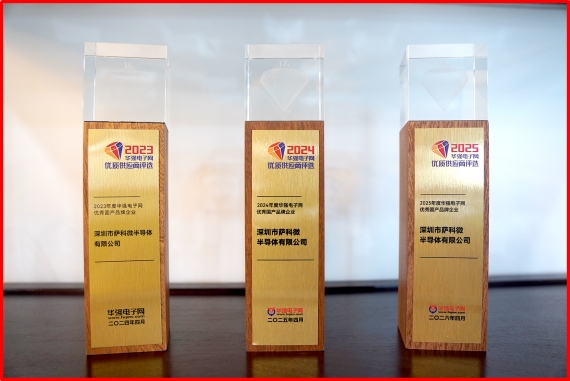
Slkor awarded “Outstanding Domestic Brand” by Huaqiang Electronics Net for three consecutive years
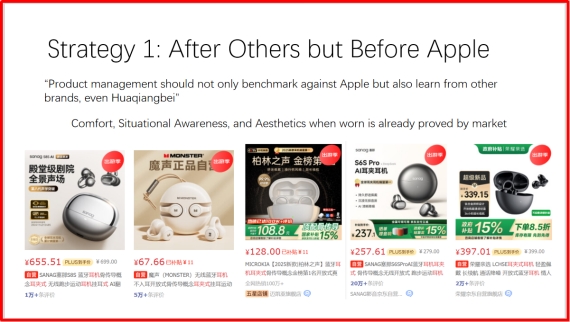
Market research materials on Huaqiangbei earphones from a major domestic phone maker
9. The Tension Between Patent Protection and Technology Diffusion
Paul Romer’s endogenous growth theory holds that patents secure innovation returns and encourage R&D. In practice, there is a dilemma: strict patent protection raises prices; low-cost imitation can quickly bring modern tech to low-income groups. Examples include Tesla’s patent opening, PX4 drone open source, Indian generics, and Huawei’s CANN open source, illustrating the value of tech accessibility. Yet reality is messy: many highly authorized patents lack real industrial value and exist only for subsidies; patent trolls abuse copyrights and trademarks to sue SMEs en masse. Cases: Mito blackmailed over 100,000 companies until industry figures like Song Shiqiang fought back; Visual China falsely registered copyrights and lost lawsuits against photographers. IP abuse has become a heavy burden on SMEs, stifling innovation.
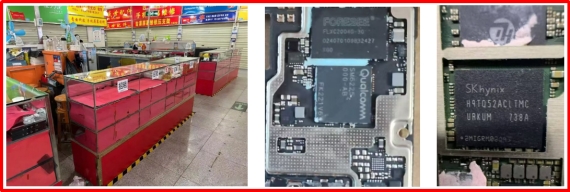
Empty counters and used phone motherboards at Huaqiangbei’s “Feiyang Times Market”
10. Huaqiangbei’s Innovation Path: From One–Meter Counters to Entrepreneurs
The spirit of Huaqiangbei is daring, innovative, resilient, and pragmatic. The greatest legacy of the shanzhai phone era is not counterfeit products but a mature supply chain, a large pool of hardware engineers, and global sales channels—paving the way for domestic phones and consumer electronics, with chip firms like Spreadtrum, Goodix, and ZTE growing. Its innovation model: imitate → improve → applied micro-innovation; not basic science, but disruptive innovation (per Christensen)—low-cost products capture edge markets and gradually move upmarket. The Chaoshan merchant culture and early relaxed environment spurred numerous individual entrepreneurs, embodying Schumpeterian “recombination of factors.” Huaqiangbei now comprises physical space and digital supply chains: offline—4,000 R&D institutions, 2,000 factories, many incubators and maker spaces; online—LCSC, Hqew, Yhsm, and JLCPCB connect one-stop manufacturing for components, PCBs, SMT, and PCBA. JLCPCB and Longsys both started from one-meter counters and grew into industry giants through iteration, branding, and standardization.
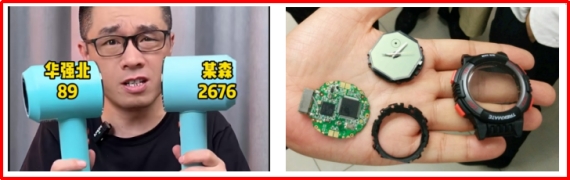
Comparison of Huaqiangbei shanzhai hairdryer vs. Dyson, and public molds for smartwatches

Grand opening of Slkor’s third Huaqiangbei specialty store
Conclusion
The shanzhai phone era is over, but Huaqiangbei’s hardware supply chain, rapid iteration, and entrepreneurial vitality remain—forming the cornerstone of Shenzhen’s “hardware Silicon Valley.” The trilogy (Parts 1, 2, 3) of Shanzhai Mobile Phones has been fully published.
About the Author
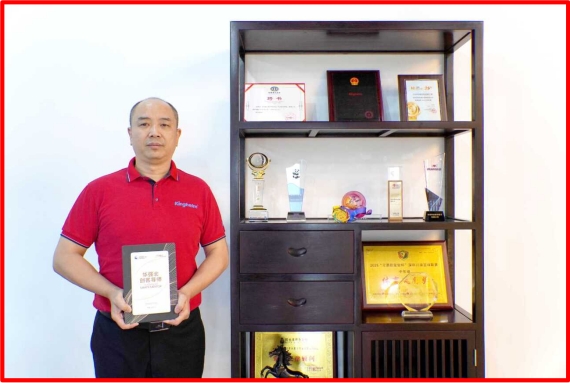
Song Shiqiang honored as “Huaqiangbei Maker Mentor”
Mr. Song Shiqiang is a popular science lecturer of the China Electronics Society, an expert member of the China Association for Science and Technology’s electronic information database, a columnist, and a researcher of Huaqiangbei culture. He formerly served as CEO of an international listed company and now invests in and manages Shenzhen SLKOR Micro Semicon Co., Ltd. and Shenzhen Kinghelm Electronics Co., Ltd., building the Slkor and Kinghelm brands. Both companies are national high-tech enterprises, with dozens of original invention patents and software copyrights. Slkor is currently one of China’s fastest-growing semiconductor companies, with the vision of becoming a competitive force in the global semiconductor industry.
About Slkor
SLKOR Micro Semicon is a high-tech semiconductor company headquartered in Shenzhen, China. Specializing in semiconductor design, R&D, manufacturing, and sales, SLKOR offers over 2,000 products, including MOSFETs, IGBTs, diodes, power management ICs, sensors, and SiC devices for global customers.
Media Contact
Company Name: Shenzhen SLKOR Micro Semicon Co., Ltd.
Contact Person: Support
Email: Send Email
Phone: +86 18073002950
Address:18th Floor, Building T2, Lijincheng Center, Yousong Community, Longhua Street, Longhua District
City: Shenzhen
Country: China
Website: www.slkoric.com
Press Release Distributed by ABNewswire.com
To view the original version on ABNewswire visit: Research on Shanzhai Mobile Phones in Huaqiangbei (Part III) – Simplified Version | Song Shiqiang
