Investment Banking Applications Are Not the Beginning of Recruiting, and Getting the Offer Is Not the End
Just another WordPress site
Press Release Disclaimer: This is a press release distributed through the XPR Media network. It has not been independently verified by our newsroom.
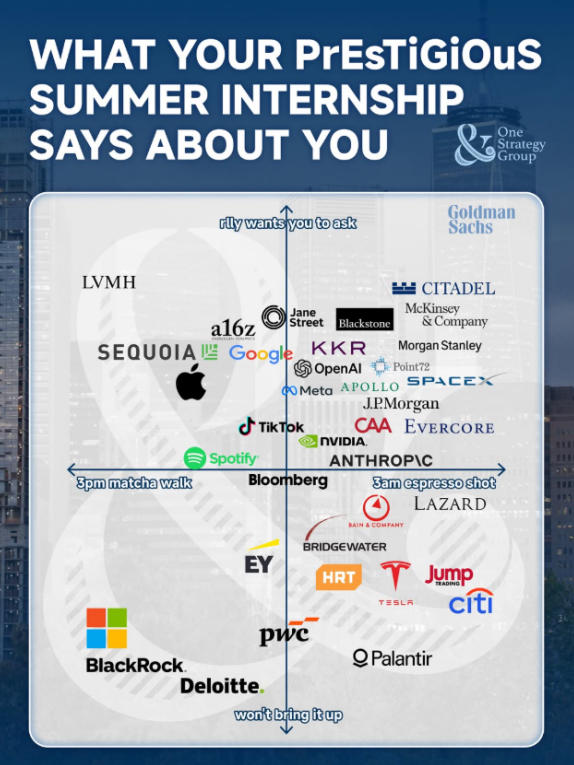

New York, USA – August 24, 2026 – One of the easiest ways to fall behind in investment banking recruiting is to wait for applications to open. By then, many other candidates have already spent months building relevant experience, developing technical skills, learning the industry, and networking. Applications may be the first visible step in the hiring process, but they come relatively late in a student’s preparation for it.
The traditional view of recruiting as application, interview, and offer misses much of that work. Before a resume is submitted, students may have already explored different career paths, chosen courses and student organizations, completed early internships, and developed technical and industry knowledge. After an offer, another stage begins: preparing for the internship, performing on the job, earning a return offer, and eventually navigating a longer career. In practice, recruiting starts well before the application and continues well beyond the offer.
Finance recruiting starts long before applications open
That distinction has become more important as the U.S. investment banking recruiting timeline has moved earlier. Students who wait for Summer Analyst applications to open can find themselves trying to explore the industry, build experience, learn technical skills, network, and prepare for interviews at the same time.
Some parts of investment banking interview preparation can be accelerated. Accounting and valuation concepts can be studied from a guide, but building credible experience or developing a working understanding of an industry takes longer. So does figuring out whether investment banking is actually the right career path in the first place. Starting late can mean making those decisions while applications are already being submitted.
Starting earlier does not mean choosing earlier
There is an obvious problem with telling college students to begin career preparation earlier: many freshmen do not know what they want to do. But starting earlier does not have to mean committing earlier. More time can give students room to explore investment banking, consulting, private equity, public-markets investing, or quantitative finance before recruiting deadlines start narrowing those choices.
Early internships can test those interests in practice, while coursework, student organizations, and independent learning can build the skills needed to explore them further. Students who begin later may have to do all of that while simultaneously networking, applying, and preparing for interviews. Two students from the same university can therefore arrive at the same interview with similar academic credentials and very different levels of preparation.
Successful recruiting can take more than a year of preparation
Data collected by One Strategy Group, or OSG, offers one indication of how long that preparation can take. OSG, a career training firm serving students pursuing finance, consulting, quantitative finance, and technology roles, tracked nearly 1,000 students who secured offers over a five-year period. According to the firm, those students prepared for an average of about 13 months, and that period has gradually been getting longer.
OSG says roughly 60% of its students begin working with the firm before freshman year, some shortly after receiving their university admission decisions. That does not mean spending freshman year memorizing investment banking interview questions. Early finance career preparation can focus on exploring industries, planning coursework and extracurricular activities, following markets, building foundational skills, and finding early internships. As a student’s direction becomes clearer, technical and industry training becomes more specialized, networking more targeted, and investment banking interview preparation more intensive.
More time creates more options
One MIT student in the Class of 2028 shows how that extra time can change the recruiting process. She initially focused on investment banking and received an offer for a Goldman Sachs sophomore summer internship. With time before later recruiting cycles, she continued exploring and subsequently received a quantitative trading offer from DRW. After further developing her technical skills and understanding of markets, she received an offer from Point72’s long/short equity investing program.
Investment banking, quantitative trading, and long/short equity investing require different preparation. Exploring all three would be considerably harder for a student trying to learn about them while simultaneously submitting applications and preparing for interviews. Starting earlier did not lock the student into investment banking sooner. It gave her time to explore several paths before deciding where to focus.
The reality is that she still had to submit each application, complete the interviews, and meet each employer’s hiring standards.
The offer is another beginning, not the end
Students can often make the opposite mistake at the other end of investment banking recruiting by treating the offer as the finish line. For someone receiving a summer analyst offer, the objective quickly shifts from getting into the firm to performing during the internship and earning a return offer. Technical concepts that once appeared in finance interviews now have to be applied to actual work, alongside communication, judgment, industry knowledge, and the ability to respond to feedback.
OSG says its support can continue through this transition and into later career decisions. Mentors and alumni can remain resources as students prepare for internships, begin full-time roles, and consider subsequent moves within finance. Some former students eventually return as mentors themselves, bringing their experience back to students preparing to enter the same industries.
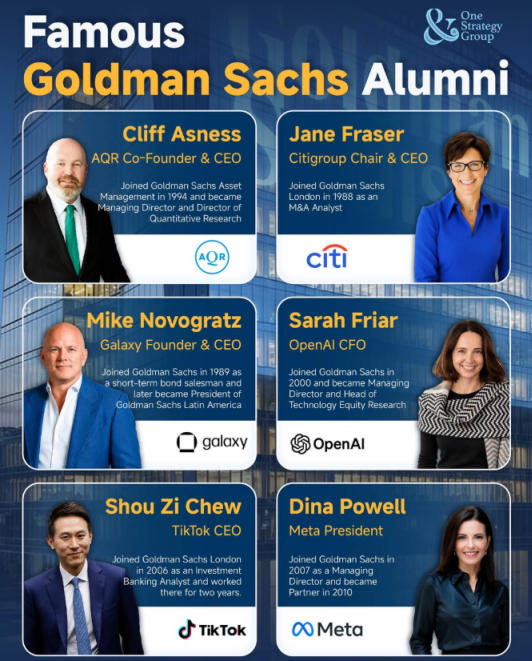
Applications may mark the formal beginning of an employer’s hiring process, but much of a candidate’s preparation has already happened by then. An offer may close the recruiting process, but the skills, relationships, and experience built along the way continue into the internship and the career that follows.
About Us
One Strategy Group (OSG) is a leading career consulting firm guiding the next generation of leaders pursuing careers in global finance, consulting, and technology.
Founded in 2018, OSG is headquartered in the United States but has established a strong reputation among students in top universities across North America, the UK, and APAC regions through one-on-one mentorship, high offer conversion rates, and structured support systems.
Behind our results is a rigorous system: Our leadership and mentorship teams span the U.S., UK, and China, and include ex-employees from top firms such as Goldman Sachs, McKinsey, and Blackstone. We offer real-time, cross-time-zone career coaching backed by extensive industry expertise.
Media Contact
Company Name: One Strategy Group (OSG)
Contact Person: Leon
Email: Send Email
Country: United States
Website: https://www.onestrategygroup.com/